From Lagos to Abuja, Port Harcourt to Enugu, property prices continue to climb every year. While this trend creates opportunities for investors, it also makes buying a home increasingly challenging for many Nigerians.
1. Population Growth
Nigeria's rapidly growing population continues to increase demand for residential and commercial properties, especially in major cities where employment and business opportunities are concentrated.
2. Urban Migration
Millions of Nigerians relocate to urban centres every year, increasing competition for available housing and pushing prices upward.
3. Rising Construction Costs
- Cement
- Iron rods
- Roofing materials
- Tiles
- Electrical fittings
- Labour
Developers transfer these increased costs to buyers and tenants.
4. Inflation
Inflation reduces purchasing power and increases the cost of building materials, land acquisition, transportation and labour.
5. Limited Land Supply
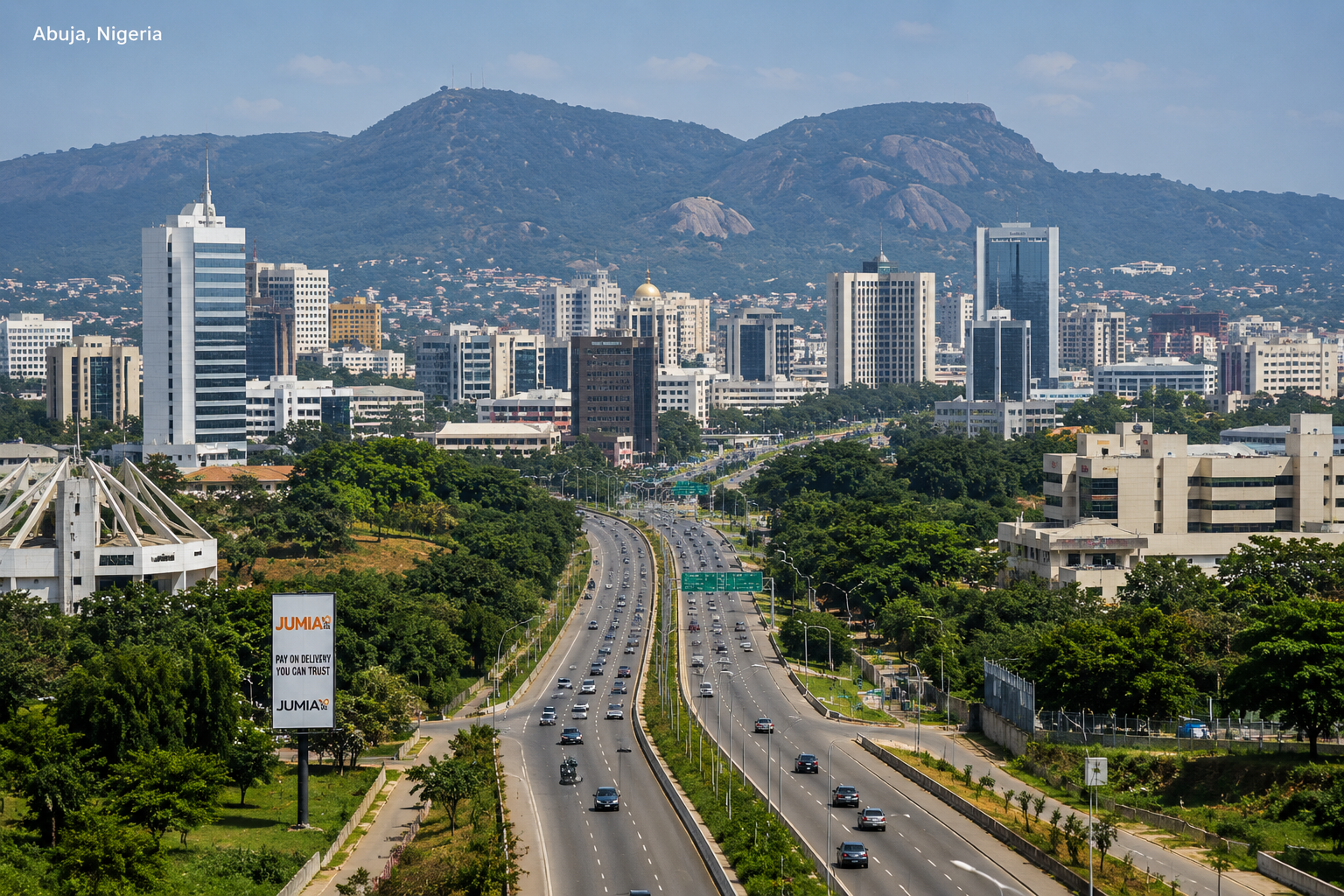
Prime locations such as Lekki, Ikoyi, Maitama and Asokoro have limited undeveloped land, making existing properties significantly more valuable.
6. Infrastructure Development
Roads, rail projects, airports, shopping malls and improved utilities often increase surrounding property values.
7. Investor Demand
Many investors purchase land and buildings expecting future appreciation, reducing the supply of available properties.
8. Diaspora Investments
Growing investments from Nigerians living abroad continue to fuel demand in premium residential and commercial markets.
📈 Market Insight
Historically, well-located properties in growing Nigerian cities have tended to appreciate over the long term. Buyers who conduct proper due diligence and focus on areas with improving infrastructure are often better positioned to benefit from future value growth.
9. Government Policies
Land regulations, taxes, planning approvals and urban development policies all influence property prices.
10. Housing Deficit
Nigeria still faces a significant housing shortage. Demand continues to exceed supply, creating upward pressure on prices.
How Buyers Can Stay Ahead
- Research multiple locations.
- Compare market prices.
- Verify ownership documents.
- Work with trusted professionals.
- Consider emerging neighbourhoods.
Final Thoughts
Although property prices continue to rise across major Nigerian cities, real estate remains one of the country's strongest long-term investment opportunities. Careful planning, proper verification and informed decision-making can help buyers maximise value while reducing risk.